 HabitualHealth
Understanding Nutrition and Energy Balance
Educational insights into everyday food patterns and body composition
What is Energy Balance?
Energy balance is a fundamental concept in understanding how our bodies use and store energy from food. It describes the relationship between the calories consumed through eating and drinking, and the calories expended through daily activity and bodily functions.
This concept helps explain why body composition changes over time based on our everyday eating patterns and activity levels. Understanding energy balance provides context for discussing nutrition, movement, and overall health.
Various factors influence energy balance in daily life, including the types of foods chosen, portion sizes, activity levels, and individual metabolic variations.

Common Food Groups and Their Roles
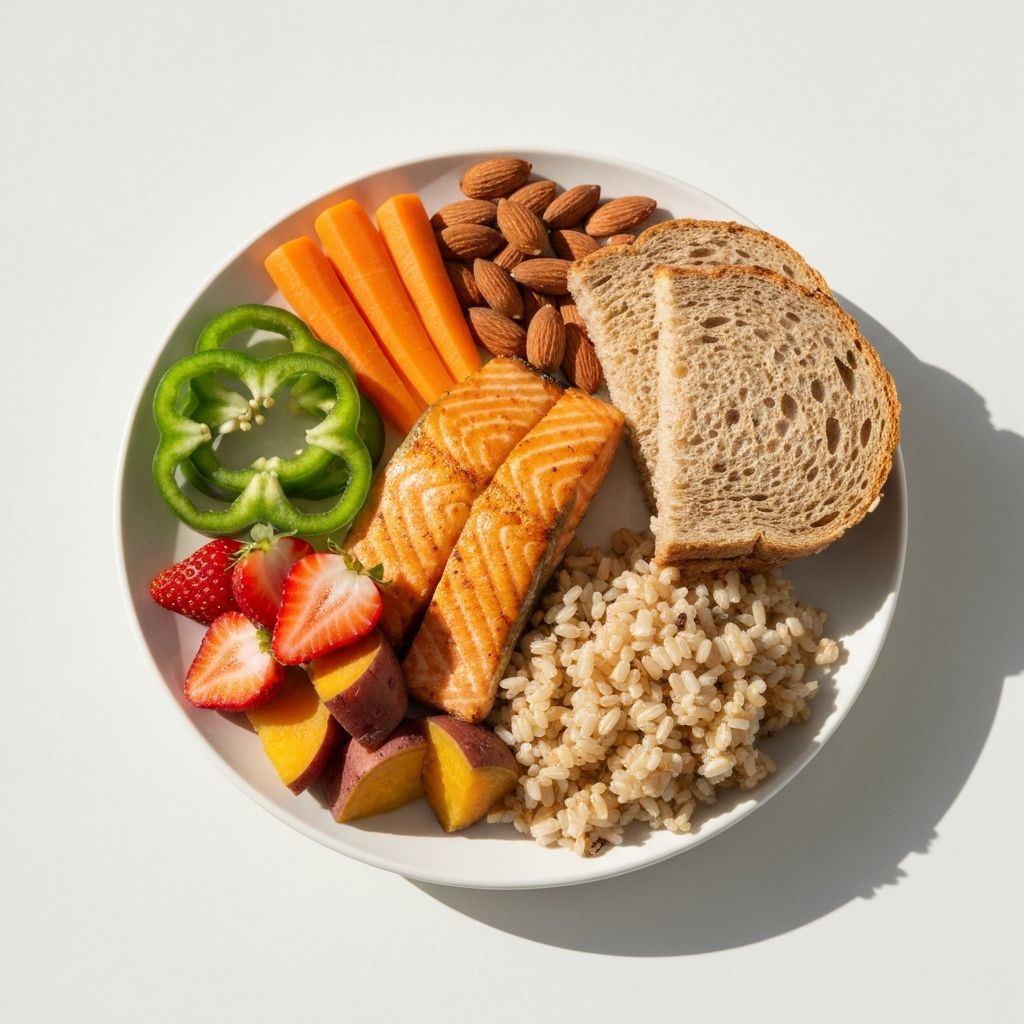
Different food groups provide various nutrients that our bodies use daily. Understanding what role each group plays helps explain how food choices influence energy availability.
Proteins are building blocks used for muscle maintenance and various bodily functions. Sources include meat, fish, eggs, legumes, nuts, and dairy products.
Carbohydrates provide energy and are found in grains, vegetables, fruits, and legumes. They are broken down into glucose for immediate energy use.
Fats serve multiple functions including energy storage and hormone production. They are found in oils, nuts, avocados, and animal products.
Vegetables and Fruits provide vitamins, minerals, and fibre while being relatively low in calories, supporting overall nutritional balance.
Movement and Daily Activity Patterns
Movement and physical activity play a significant role in energy expenditure. Daily movement includes structured exercise, occupational activities, and general movement throughout the day.
Different types of activity expend different amounts of energy. Walking, gentle exercise, and daily tasks all contribute to overall energy expenditure.
Understanding how movement affects energy balance provides context for why activity levels influence body composition changes over time.
Consistent daily movement patterns, whether through work, exercise, or leisure activities, contribute to total energy expenditure. This is one factor among many that influence energy balance.
The relationship between activity and energy balance is complex and varies between individuals based on numerous physiological factors.
Common Myths and Evidence-Based Facts
Understanding Nutrition Science
There are many common beliefs about nutrition and body weight that don't align with scientific understanding. Examining these helps develop a clearer picture of how nutrition actually works.
Nutritional science involves complex interactions between food composition, individual metabolism, activity levels, and many other factors. Simple claims often miss this complexity.
Rather than looking for quick solutions, understanding the basic mechanisms of nutrition and energy balance provides a more helpful foundation.

Explore Our Blog Articles
Learn more about specific aspects of nutrition and energy balance through our detailed articles.

Energy Balance Explained
A detailed exploration of how energy intake and expenditure relate to body composition changes.
Read more about this topic →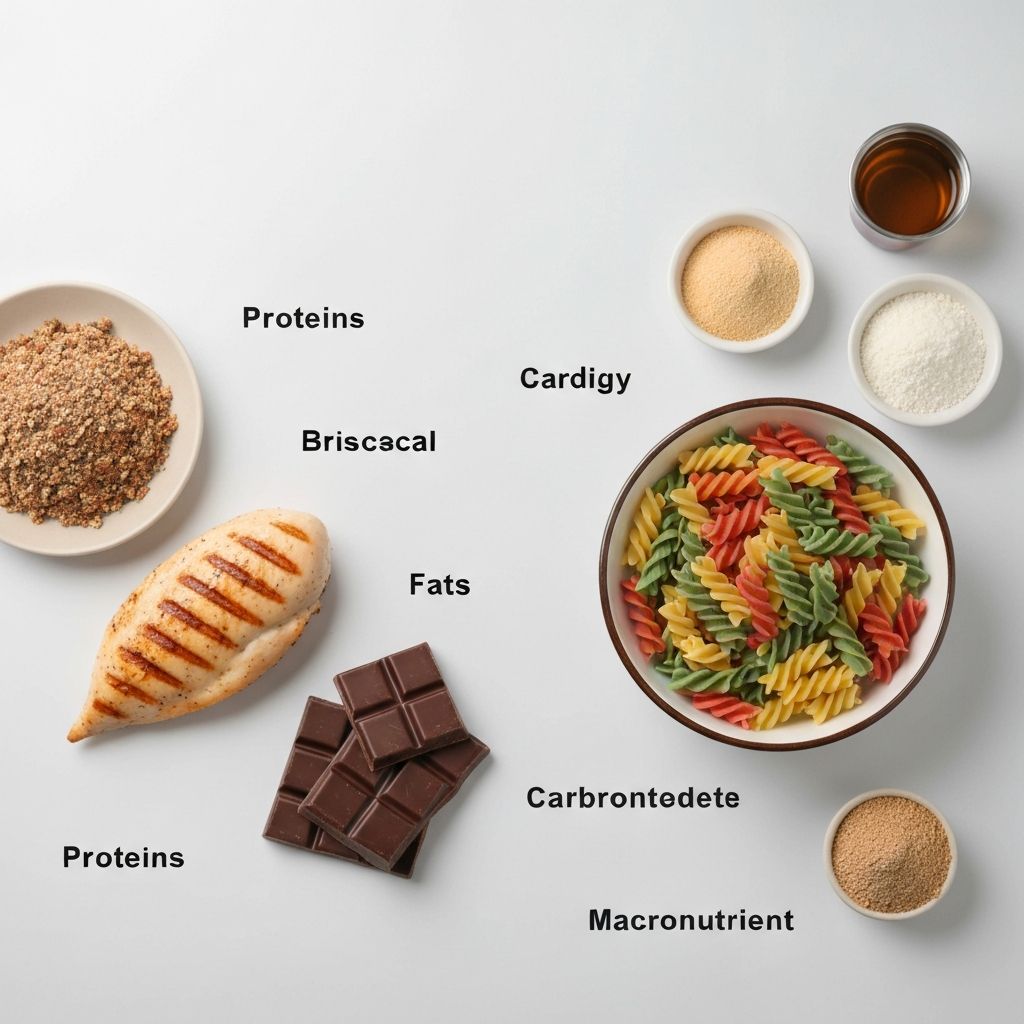
Role of Macronutrients
Understanding how proteins, fats and carbohydrates function in everyday eating patterns.
Read more about this topic →
Movement and Energy
How daily movement and activity patterns influence energy expenditure and overall balance.
Read more about this topic →Explore Our Educational Resources
Discover more insights about nutrition science and everyday food patterns through our comprehensive articles.
Learn more about our topicsFrequently Asked Questions
Energy intake refers to the calories consumed through food and beverages. Energy expenditure refers to the calories your body uses through daily activities, exercise, and basic metabolic functions. Understanding both components helps explain energy balance.
Proteins support muscle maintenance and tissue repair, carbohydrates provide energy, and fats serve multiple functions including energy storage and hormone production. Each plays distinct roles in how your body functions daily.
Metabolism is influenced by genetics, age, muscle mass, activity level, and various other factors. This explains why individuals may experience different outcomes with similar eating and activity patterns.
Physical activity increases energy expenditure. Different types of activity expend different amounts of energy. Consistent movement contributes to overall daily energy use.
Vegetables and fruits provide essential vitamins, minerals, and fibre while being relatively low in calories. They are important components of balanced nutrition and support overall health.
Body weight is influenced by many factors including food type and quantity, activity level, metabolism, age, and other physiological factors. Understanding these factors provides better context than focusing on single variables.
Consistent daily eating patterns establish baseline energy and nutrient intake. Over time, these patterns influence body composition and overall health outcomes based on their total energy content and nutrient quality.
Metabolism refers to all the chemical processes your body uses to maintain life, including digestion, energy production, and cellular function. It varies based on factors like muscle mass, age, genetics, and activity level.