 HabitualHealth
Introduction to Macronutrients
Macronutrients are the three main components of food that provide energy and carry out various functions in the body: proteins, carbohydrates, and fats. Each plays distinct roles in daily nutrition and bodily function. Understanding the role of each macronutrient provides helpful context for comprehending how different foods function in everyday eating.
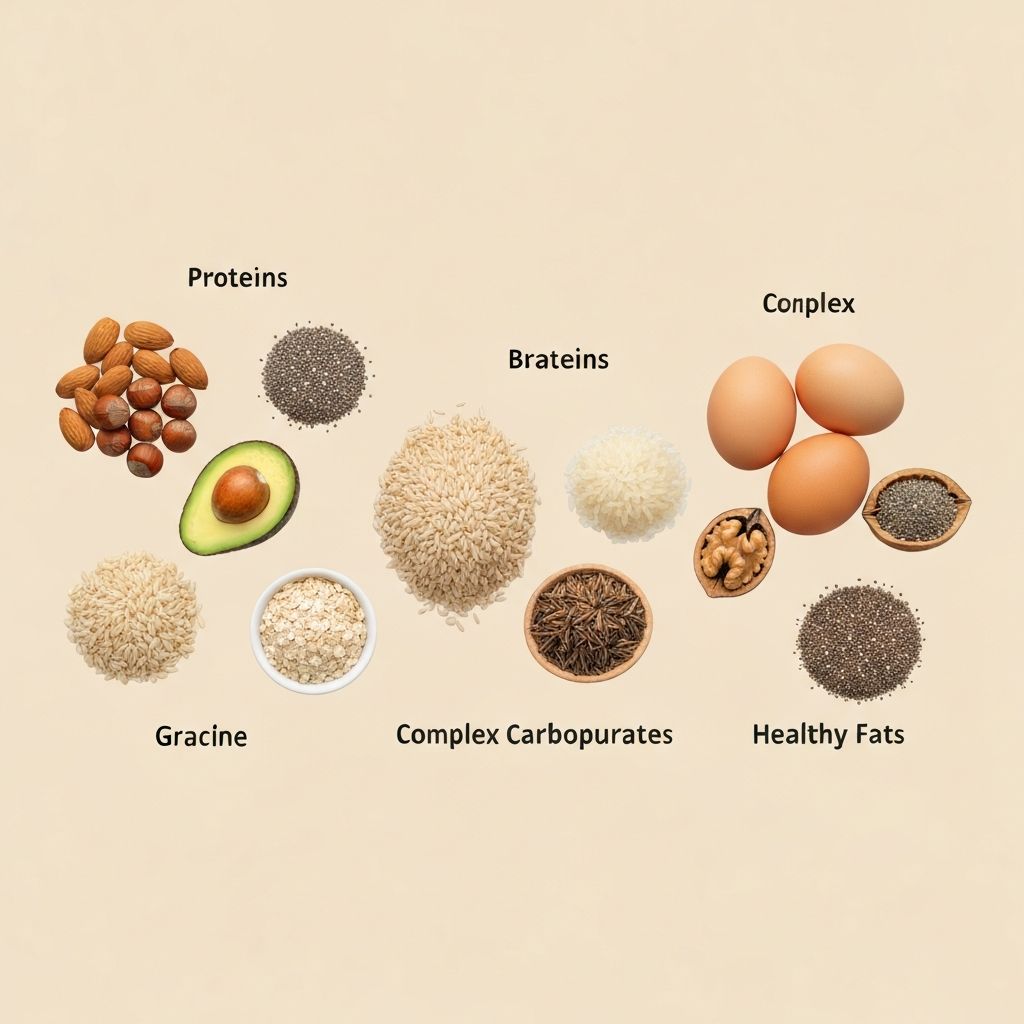
Proteins
What are proteins?
Proteins are molecules made up of amino acids. They are found in various forms in foods including meat, fish, eggs, dairy products, legumes, nuts, and seeds. Proteins provide approximately 4 calories per gram.
Functions of proteins
Proteins serve several important functions in the body. They are essential for building and maintaining muscle tissue, as well as other structural components. Proteins are also involved in creating enzymes, hormones, and other regulatory molecules. Additionally, proteins can be used for energy when needed.
Proteins in everyday eating
Protein is found in a wide variety of foods. Some foods are high in protein, such as meat, fish, eggs, and legumes. Other foods contain smaller amounts of protein. The amount of protein consumed varies based on food choices and eating patterns.
Carbohydrates
What are carbohydrates?
Carbohydrates are molecules made up of carbon, hydrogen, and oxygen. They are found in grains, vegetables, fruits, legumes, and other plant-based foods. Carbohydrates provide approximately 4 calories per gram. They can be classified as simple carbohydrates (sugars) or complex carbohydrates (starches and fibre).
Functions of carbohydrates
Carbohydrates are primarily used for energy. When consumed, they are broken down into glucose, which can be used immediately for energy or stored in muscle and liver as glycogen. Complex carbohydrates, which contain fibre, also provide digestive benefits and contribute to satiety.
Carbohydrates in everyday eating
Carbohydrates make up a significant portion of most diets. Grains, including bread, rice, and pasta, are common sources. Vegetables and fruits also contain carbohydrates along with other nutrients. The types and amounts of carbohydrates consumed vary based on food choices and cultural eating patterns.
Fats
What are fats?
Fats are molecules consisting of fatty acids and glycerol. They are found in oils, butter, meat, fish, eggs, nuts, seeds, and avocados. Fats provide approximately 9 calories per gram, making them energy-dense. Fats can be classified as saturated, unsaturated, or trans fats.
Functions of fats
Fats serve multiple important functions in the body. They are used for energy, particularly during periods of rest or low activity. Fats are also used to build cell membranes and support the nervous system. Additionally, fats are involved in hormone production and vitamin absorption. Fats are energy-efficient storage molecules, providing more than twice the calories per gram as carbohydrates or proteins.
Fats in everyday eating
Fats are present in many foods consumed daily. Oils used in cooking contain fat. Meat, fish, eggs, nuts, seeds, and dairy products all contain fats. The amount and types of fat consumed depend on food choices and cooking methods.
Micronutrients and Other Components
While macronutrients provide energy, micronutrients such as vitamins and minerals are also essential for health. These are obtained primarily from vegetables, fruits, and whole grains. Fibre, found mainly in plant foods, supports digestive function. Water is also essential for all bodily functions.
Macronutrient Balance in Daily Eating
Different cultures and individuals consume macronutrients in varying proportions. There is variation in what constitutes "balanced" eating across populations and time periods. Understanding the roles of each macronutrient helps explain why food variety is considered important in nutrition.
The proportions of macronutrients consumed can influence various aspects of health and satiety. However, the optimal balance varies between individuals based on activity level, metabolism, food preferences, and cultural practices.
Conclusion
Proteins, carbohydrates, and fats each serve distinct and important functions in everyday nutrition. Understanding their roles provides helpful context for appreciating how different foods contribute to our bodies' functioning. Rather than focusing on restrictive approaches, understanding macronutrient function allows for a more nuanced view of nutrition and food choices.
Important: This article provides educational information about nutrition science. It does not provide personalised advice or recommendations. For individual guidance specific to your circumstances, please consult with qualified healthcare or nutrition professionals.